
Review · COOKING CLASSES
St. John’s: Rum Cooking Class with 6 Rum Tastings
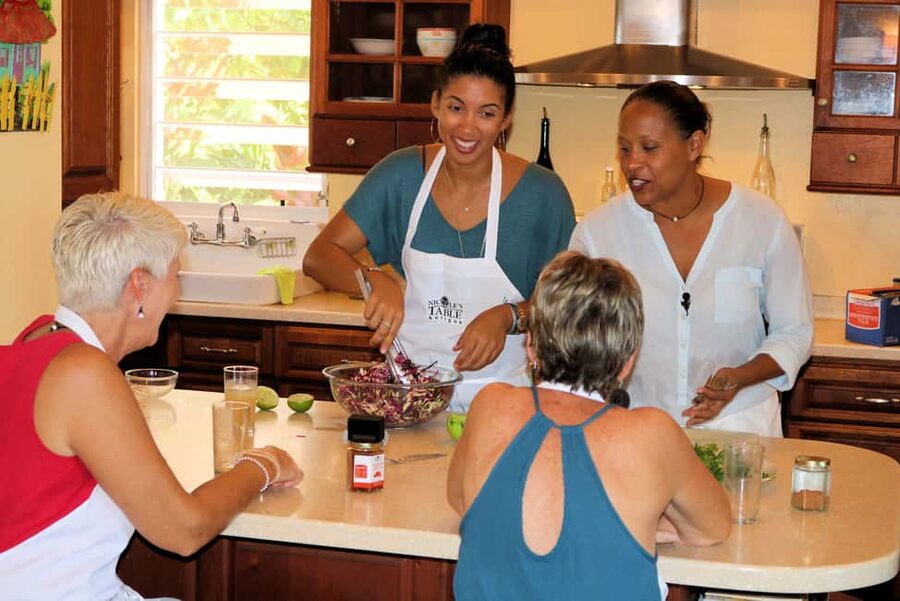
Rum belongs in the kitchen, too. This four-hour class at Nicole’s Table pairs Caribbean cooking with six rum tastings, all in a local home high above the sea. I like the hands-on choice: you can take part at the stove or settle into a more relaxed pace while Nicole explains each dish and shares stories about life in the West Indies.
I also like the generous shape of the experience. You do not simply watch a demonstration, then leave hungry. You help prepare a three-course meal, taste rums from several Caribbean producers, and sit down for lunch with the recipes to take home. The main consideration is the price, $164 per person, and the lack of hotel pickup. You must reach Nicole’s Table yourself, and the class is not suitable for wheelchair users.
In This Review
- Key details before you book
- Why this feels like more than a cooking lesson
- Arriving at Nicole’s Table above the Caribbean
- Starting with juice and rum punch
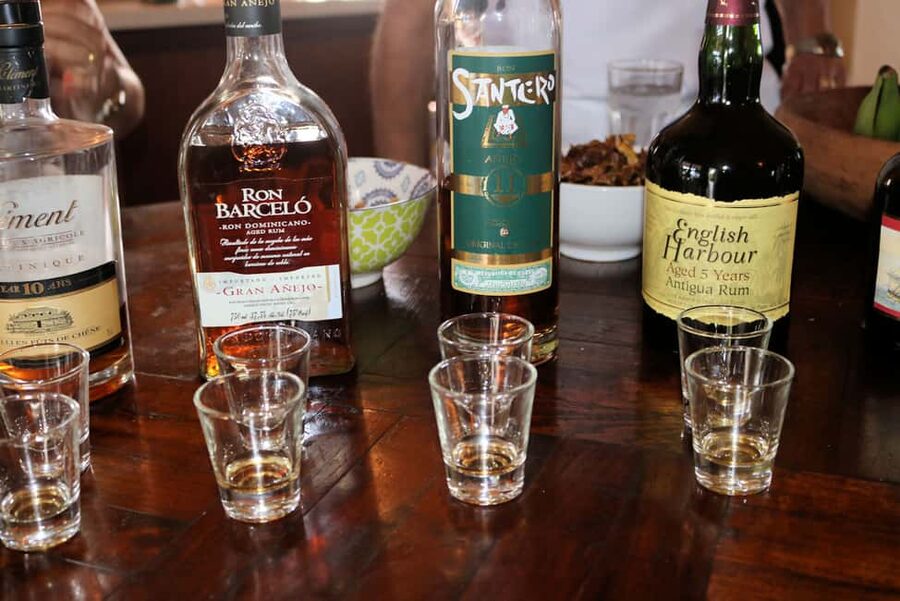
- Six rums from across the Caribbean
- The usual menu, from soup to bread pudding
- Sweet potato soup with rum
- Rum and brown sugar flank steak
- Plantains, beans, rice, and salad
- Bread pudding or butter rum cake
- Learning at your own pace
- The veranda lunch is the payoff
- Is $164 per person good value?
- Who should book this Antigua cooking class?
- FAQ
- Where does the rum cooking class take place?
- How long does the experience last?
- What food is usually prepared?
- How many rums are included?
- Is transportation provided?
- Can children attend?
- Should you book Nicole’s Table?
Key details before you book
- Six regional rums: Taste selections from Antigua and Guyana to Martinique and Cuba, with the rum tasting woven into the meal rather than treated as a separate bar stop.
- A three-course Caribbean lunch: The usual menu includes rum-seasoned soup, marinated flank steak, several side dishes, and a rum dessert.
- Nicole and Adam host the experience: Nicole leads the cooking and stories, while Adam takes part in the rum tasting.
- A hilltop home with sea views: The setting gives this class a personal, local feel instead of the atmosphere of a formal culinary school.
- A four-hour schedule: Classes generally run from 11:00 to 15:00, a useful window for many hotel stays and cruise calls.
- A four-person minimum: Small bookings may be moved to another date, so check this point carefully if you are booking for fewer than four people.
Why this feels like more than a cooking lesson
Nicole’s Table is designed as a local home experience, not a polished restaurant workshop. That difference matters. You are not only learning how to combine ingredients. You are hearing about the role of rum in Caribbean food, culture, and daily life while preparing lunch in a home overlooking the Caribbean Sea.
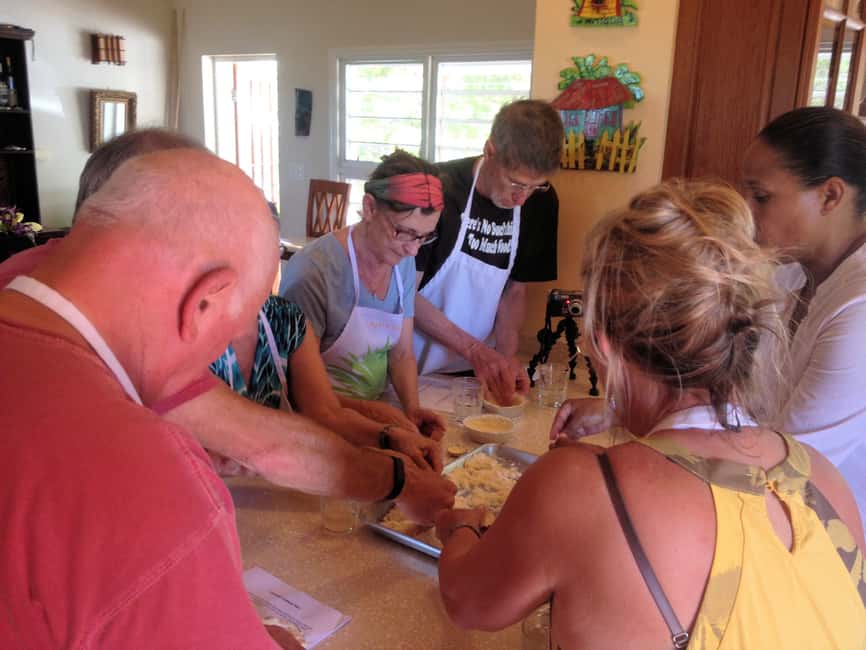
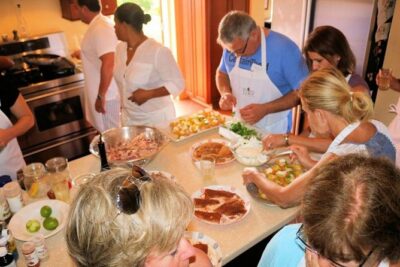
Nicole teaches in an informal way. If you enjoy cooking, you can work closely through the recipes and preparation. If you would rather listen, taste, and chat, the class can be more relaxed. That flexibility makes the experience suitable for mixed groups, where one person wants to chop and stir while another prefers to watch.
I would expect the mood to be friendly and conversational rather than strict or technical. Nicole’s style includes explanations about the history of the food and stories about living in the West Indies. The setting adds to that feeling. A private home gives you a better sense of how food and hospitality connect in Antigua than a standard restaurant meal would.
The class also has a clear theme. Rum appears in the starter, main course, and dessert, so you learn to use it as a cooking ingredient rather than simply tasting it in a glass. That makes the experience especially useful if you want to bring home recipes that are practical enough to try again.
More cooking sessions with local hosts:
- All About Jerk Cooking Class
★ 4.7 · 19 reviews - St. John’s: From the Sea Cooking Class
★ 5.0 · 5 reviews - Coordinating Curry Cooking Class
★ 5.0 · 4 reviews
Arriving at Nicole’s Table above the Caribbean
There is no hotel pickup or drop-off. You meet at Nicole’s Table, and directions are emailed after you reserve. Allow time to read those directions carefully, especially if you are fitting the class into a cruise day or planning to use your own transport.
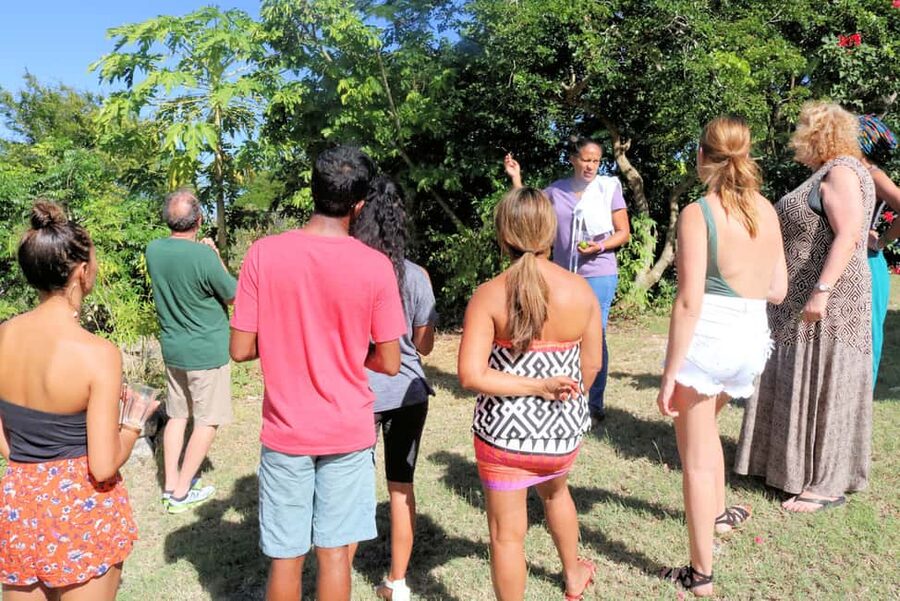
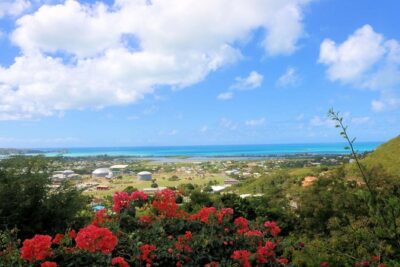
The home sits high on a hill overlooking the Caribbean Sea. The view is an important part of the experience, not just a backdrop for photographs. Lunch takes place on the veranda, where the setting helps turn a cooking class into a long, sociable midday meal.
The class usually begins at 11:00 and ends around 15:00. That four-hour block gives you time for preparation, instruction, drinks, tasting, and lunch without making the day feel rushed. Cruise passengers should confirm their ship’s departure time and leave a sensible buffer for the return journey, since transportation is not included.
The location is not suitable for wheelchair users. Children must be accompanied by an adult, and unaccompanied minors are not allowed. The minimum drinking age is 18, an important point because rum tasting is part of the experience.
Starting with juice and rum punch
The day begins with a local juice and Nicole’s Old-Fashioned Rum Punch. This opening sets the tone: the drinks are part of the food story, not an add-on at the end.
The local juice gives you a non-alcoholic taste of the region before the rum begins. Then the rum punch provides a familiar Caribbean-style introduction before you move on to the six regional tastings. I like this progression because it gives the class a sense of place from the first glass.
You should pace yourself. Six rum samples, cocktails, cooking, and lunch can add up quickly, even across four hours. The experience includes drinks and food, but it does not suggest that the tasting is optional or limited to a token sip. If you do not drink alcohol, ask about your needs when booking. The available information confirms the rum tasting and the 18-plus drinking age, but does not promise a separate alcohol-free version of every drink.
Six rums from across the Caribbean
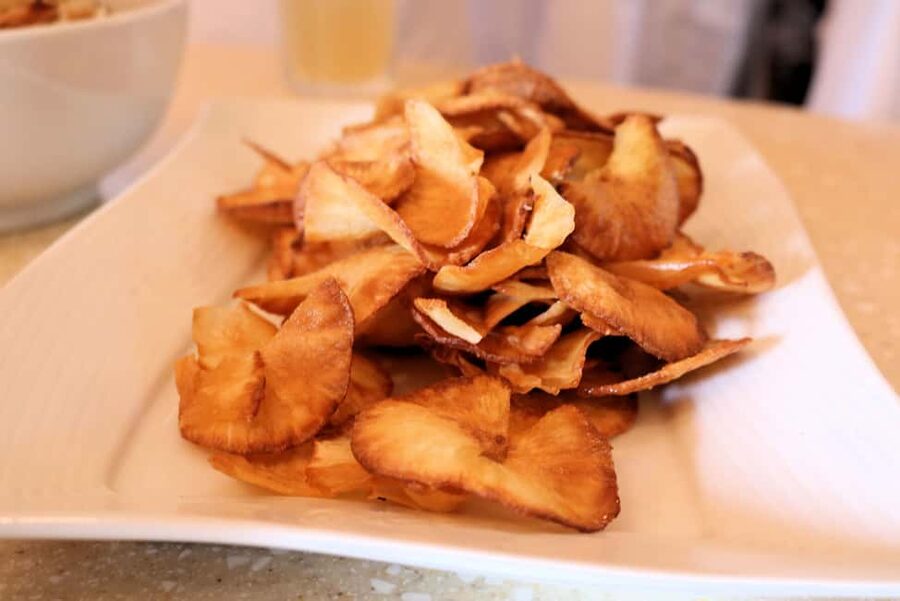
The rum tasting reaches beyond Antigua. You taste six rums from Antigua and Guyana to Martinique and Cuba. That regional range gives the tasting a useful purpose: you can compare styles and see that Caribbean rum is not one single flavor or tradition.
The class connects these bottles to the wider story of rum, which began in the Caribbean around the 17th century. You learn about rum’s influence on Caribbean culture and cuisine while tasting it in a social setting. This is more satisfying than sampling spirits with no context.
The rum is also used throughout the meal. That lets you consider three different roles for the ingredient. In the soup, it can add warmth and aroma. In the main course, it becomes part of a marinade or sweet-savory sauce. In dessert, it brings spice and depth to raisins, cake, or butter sauce.
Adam takes part in the rum tasting, adding another voice to this portion of the class. The available feedback describes the hosts as warm, fun, and easy to talk with. One particularly useful detail is that Adam helps with the tasting while Nicole leads the cooking, giving the group attention in both parts of the experience.
More St John S trips people book on the same visit
- Antigua: Stingray City Experience with Round-Trip Transfer
★ 4.7 · 58 reviews - St. Johns: Horseback Riding Bareback Swim, &Fort James Beach
★ 4.7 · 41 reviews - St. John’s: Discover The Real Antigua Island Tour Experience
★ 4.6 · 29 reviews - Antiguan experience home tour with local guide with lunch
★ 4.2 · 26 reviews
The usual menu, from soup to bread pudding
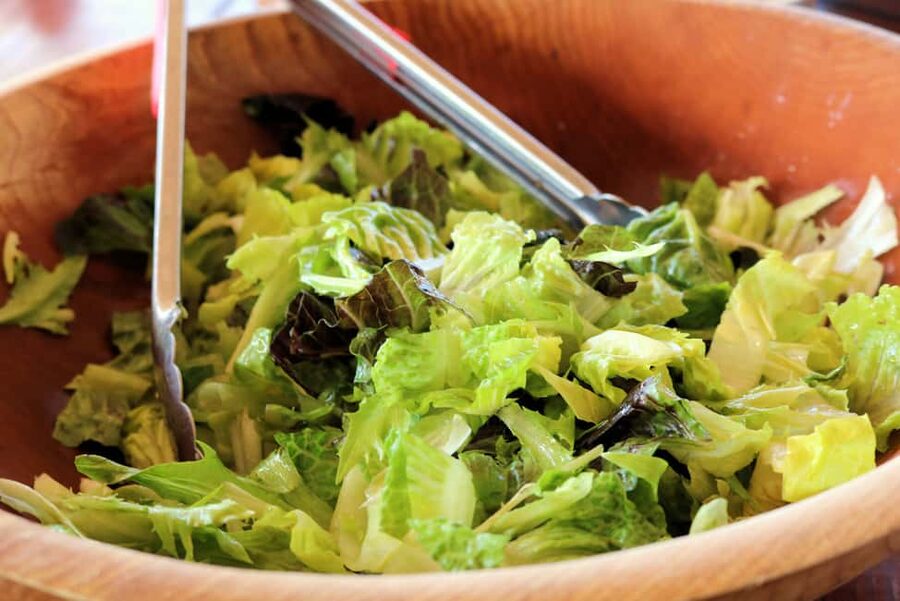
Recipes depend on the season and ingredient availability, so you should treat the following as a typical menu rather than a fixed promise. That flexibility is normal for a home-based cooking class, but you should tell the hosts about allergies or other dietary needs when you book.
Sweet potato soup with rum
The starter is usually sweet potato soup with rum. This is a good teaching dish because it shows how a small amount of alcohol can work as a seasoning in a savory recipe.
You learn about the use of rum while preparing the soup, then taste the result as part of lunch. Sweet potato gives the dish a familiar base, while the rum links it to the class theme without turning the soup into a novelty.
Rum and brown sugar flank steak
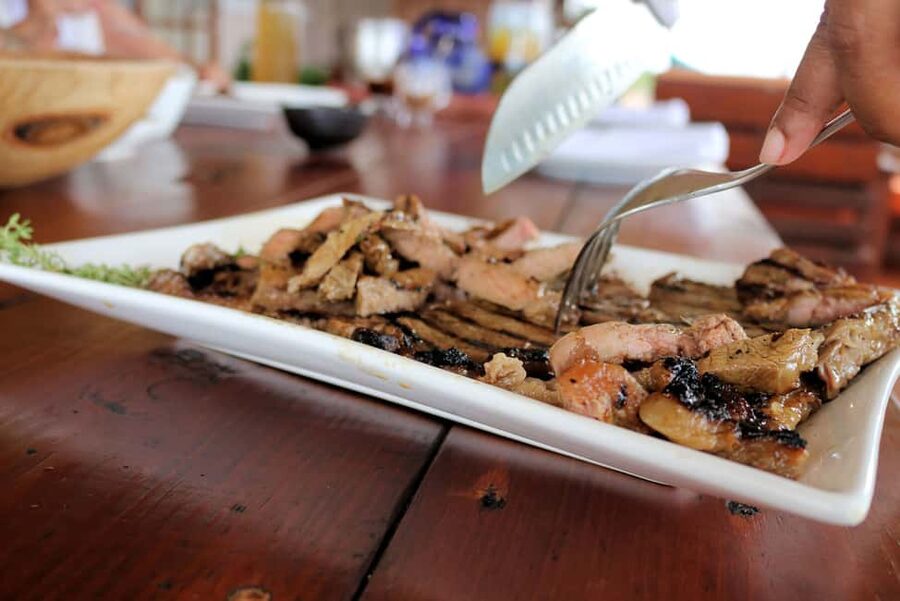
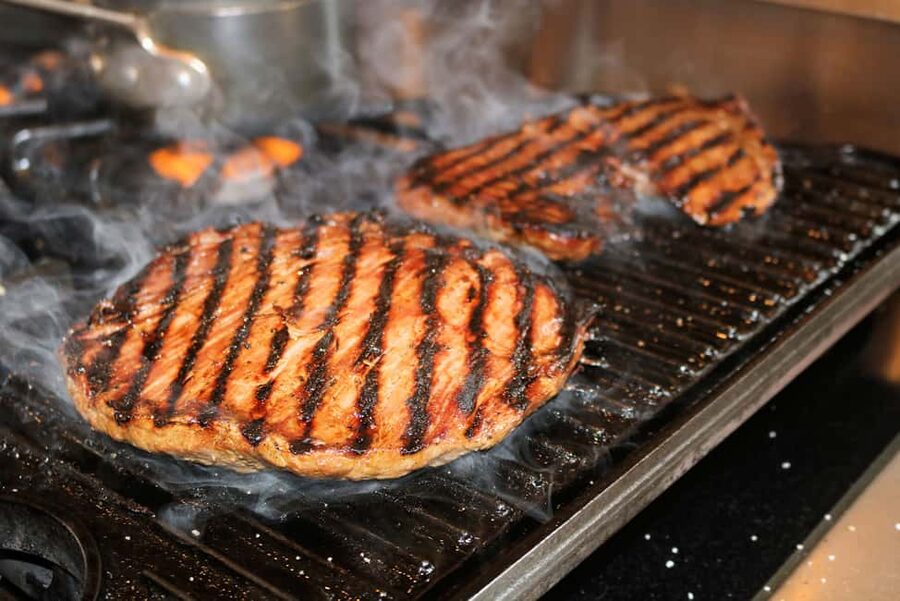
The main course typically features flank steak marinated with rum and brown sugar, served with onion jam. This is the most direct example of rum’s role in a marinade, where sweetness and spirit help shape the flavor of the meat.
Flank steak is also a practical choice for a home cook. It is a recognizable cut, and the marinade gives you a recipe you can adapt outside Antigua. The onion jam adds another sweet element, so the meal has a clear balance between savory meat and caramelized flavors.
Plantains, beans, rice, and salad
The sides give the main course its Caribbean character. Plantains wrapped in bacon bring sweetness, salt, and crisp texture. Red beans and rice provide a hearty staple, while the garden salad adds something fresh to the plate.
This combination is one of the class’s strengths. You are not preparing a single showpiece dish and calling it lunch. You are building a full meal with several textures and flavors, then receiving the recipes so you can recreate parts of it later.
Bread pudding or butter rum cake
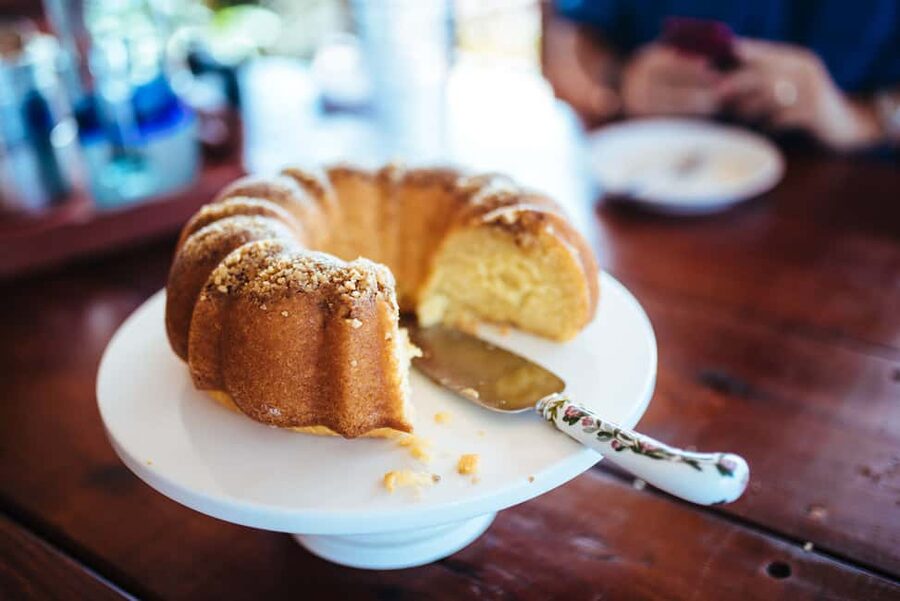
Dessert is usually either bread pudding with rum-soaked raisins and butter rum sauce or a butter rum cake. Both options continue the theme without repeating the same technique.
The bread pudding uses rum in the raisins and sauce, while the cake places the flavor directly into the dessert. Since the final choice depends on season and availability, ask if you have a strong preference. The menu information does not guarantee which dessert will be served on a particular date.
Learning at your own pace
The class can be hands-on or laid-back. That wording is worth taking seriously. If you want a detailed cooking lesson, you can participate in the preparation of the recipes. If you have spent the morning sightseeing or simply want a slow lunch with conversation, you can take a quieter role.
I see this as a benefit for couples and families with different interests. One person can focus on cooking while another enjoys the view and the rum discussion. The class is also a good fit for people who prefer informal teaching over chef-school precision.
Do not expect a highly technical professional course. The emphasis is on food, stories, and hospitality. You will learn how rum works in several dishes, but the experience is not presented as advanced culinary training with formal skills assessments.
Hand washing is required. If you have flu-like symptoms, you must wear a mask. Those rules are simple, sensible measures for a shared cooking space and meal.
The veranda lunch is the payoff
After preparing the recipes, you sit down to a three-course lunch on the veranda. This is where the parts of the experience come together: the view, the food you helped prepare, the drinks, and the conversation with Nicole and Adam.
The lunch also gives you time to slow down. A cooking class can feel task-focused while you are chopping and stirring. Sitting down afterward lets you enjoy the food without having to rush straight to the next activity.
The home setting is central here. The experience is meant to feel like being welcomed into a Caribbean household, not like eating at a busy tourist restaurant. Past feedback describes Nicole’s home as beautiful, warm, and comfortable, with the hosts making people feel welcome as part of the family.
That personal atmosphere is likely the strongest reason to book. If your goal is only to taste rum, a dedicated tasting may be more efficient. If you want to connect food, local stories, and a relaxed meal, Nicole’s Table offers more substance.
Is $164 per person good value?
At $164 per person, this is not a budget lunch. The price makes more sense when you count what is included: four hours of instruction and hosting, hands-on cooking, drinks, six rum tastings, a three-course meal, the hilltop setting, and a recipe booklet.
You are paying for an experience with several parts rather than a simple meal. The recipes have value beyond the day itself, especially because the menu uses familiar ingredients and practical methods such as marinades, soup, rice and beans, plantains, and bread pudding.
The value also depends on your interests. If you do not drink rum, are not interested in cooking, or prefer a quick shore excursion, the price may feel high. If you want an activity that combines lunch, cultural context, scenery, and personal hosting, the four-hour format makes the cost easier to justify.
The perfect score from six available ratings supports the idea that the hosting and food are the main strengths. I would still make the decision based on your own priorities, not the score alone. A warm home setting can be wonderful for one person and too informal for someone expecting a formal culinary school.
Who should book this Antigua cooking class?
I would recommend Nicole’s Table to you if you like food with a story, small-scale hosting, and time to talk. It suits couples, friends, families with accompanied children, and cruise passengers who can manage their own transportation and protect the return time.
It is particularly good for anyone who wants to learn how rum fits into Caribbean cooking instead of treating rum as a simple souvenir drink. The six tastings add variety, while the meal gives you a chance to see how the ingredient works across savory and sweet recipes.
You may want to choose another activity if you need wheelchair access, hotel transportation, or a tightly structured itinerary. You should also contact the host before booking if you have allergies or dietary restrictions, since recipes change with the season and availability.
FAQ
Where does the rum cooking class take place?
The class takes place at Nicole’s Table, a local home high on a hill overlooking the Caribbean Sea in Antigua. Directions are emailed after you make a reservation.
How long does the experience last?
The cooking class lasts four hours. Classes generally begin at 11:00 and finish around 15:00.
What food is usually prepared?
A typical menu includes sweet potato soup with rum, rum and brown sugar marinated flank steak with onion jam, bacon-wrapped plantains, red beans and rice, garden salad, and either rum bread pudding with butter rum sauce or butter rum cake.
How many rums are included?
You taste six different regional rums from places including Antigua, Guyana, Martinique, and Cuba. A local juice and Nicole’s Old-Fashioned Rum Punch are also included.
Is transportation provided?
No. Hotel pickup and drop-off are not included. You meet at Nicole’s Table and receive directions after booking.
Can children attend?
Children must be accompanied by an adult, and unaccompanied minors are not allowed. The minimum drinking age is 18.
Should you book Nicole’s Table?
Book it if you want a personal Antigua experience built around cooking, conversation, rum, and a memorable lunch with a sea view. The hosts, Nicole and Adam, are a major part of the appeal, and the relaxed format lets you take part at the level that suits you.
Before paying $164, confirm the meeting directions, check the transportation plan, and share any dietary requirements. Also remember that a four-person minimum may require a date change for smaller parties. If those details work for you, this is a strong choice for a cruise-day activity or a special hotel excursion, especially when an ordinary restaurant meal would feel too predictable.
Recently reviewed around St John S
- Sip & Paint with lunch on exciting Ffryes Tiki beach Bar★ 4.4 · 6 reviews
- Hiking Combo Tours★ 5.0 · 4 reviews
- Coordinating Curry Cooking Class★ 5.0 · 4 reviews
- St. John’s: From the Sea Cooking Class★ 5.0 · 5 reviews
- Antigua – Discover and Relax on 2 beaches★ 4.6 · 5 reviews
- Famous Island Tour★ 4.2 · 2 reviews
- From St John’s: Half Moon Bay Beach Half-Day Trip by Van★ 4.7 · 9 reviews
- St. John’s, Antigua Kayak, Snorkeling, & Beach Bird Island★ 4.8 · 7 reviews
Cooking Classes, compared.
Browse the lists this tour appears in