
Review · COOKING CLASSES
St. John’s: From the Sea Cooking Class
Fresh fish makes the lesson. At Nicole’s Table, you help turn the day’s catch into a three-course lunch, then eat it on a veranda above the Caribbean Sea. I like the seasonal menu and the warm, informal feel. You should also know that the recipe can change, and the class needs at least four people to run.
This is more than a kitchen lesson. You hear stories about life in the West Indies, work with shrimp, fish, rice, salad, and dessert, and leave with recipes you can use at home. The main tradeoff is simple: this is not the right pick if you need a fixed menu or wheelchair access.
In This Review
- Key points at a glance
- Arriving at Nicole’s Table above the Caribbean Sea
- The morning question: what fish came in?
- Starting with rum punch and garlic shrimp
- Preparing the main fish and Caribbean sides
- Finishing with passion fruit cheesecake
- A cooking lesson shaped by local stories
- Lunch on the veranda with the Caribbean below
- What $164 per person buys you
- Timing, group size, and practical concerns
- Who will enjoy this Antigua cooking class?
- Should you book Nicole’s Table?
- FAQ
- Where does the cooking class take place?
- How long does the experience last?
- Is transportation included?
- What fish might be used in the class?
- What food and drinks are included?
- Can dietary requirements or allergies be accommodated?
- Is the class suitable for children or wheelchair users?
Key points at a glance
- The fish changes with the sea: Your main course may use mahi-mahi, snapper, tuna, or grouper, depending on what is fresh.
- You cook the whole meal: The hands-on work covers a starter, fish dish, side dishes, and dessert.
- Lunch comes with a view: You eat on a veranda at a Caribbean home set high above the sea.
- The class feels personal: Food stories and life in the West Indies are part of the lesson.
- The schedule suits many day plans: Classes begin at 11:00 and usually finish around 15:00.
- The price covers more than instruction: At $164 per person, you receive food, drinks, hands-on teaching, and the recipes.
Arriving at Nicole’s Table above the Caribbean Sea
The class takes place at Nicole’s Table in Antigua, not at a hotel kitchen or a large culinary school. You make your own way there because transportation is not included. After booking, you receive directions to the home.
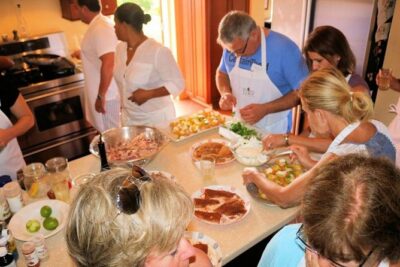
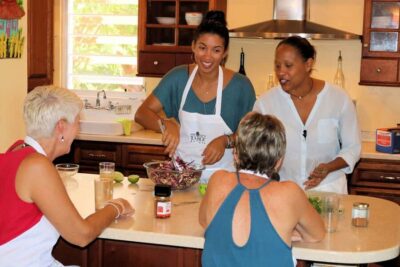
That setting matters. A home kitchen changes the tone of the activity. You are not simply watching an instructor demonstrate a dish before being sent to a restaurant table. You are part of the preparation, with the meal built around what is available that day.
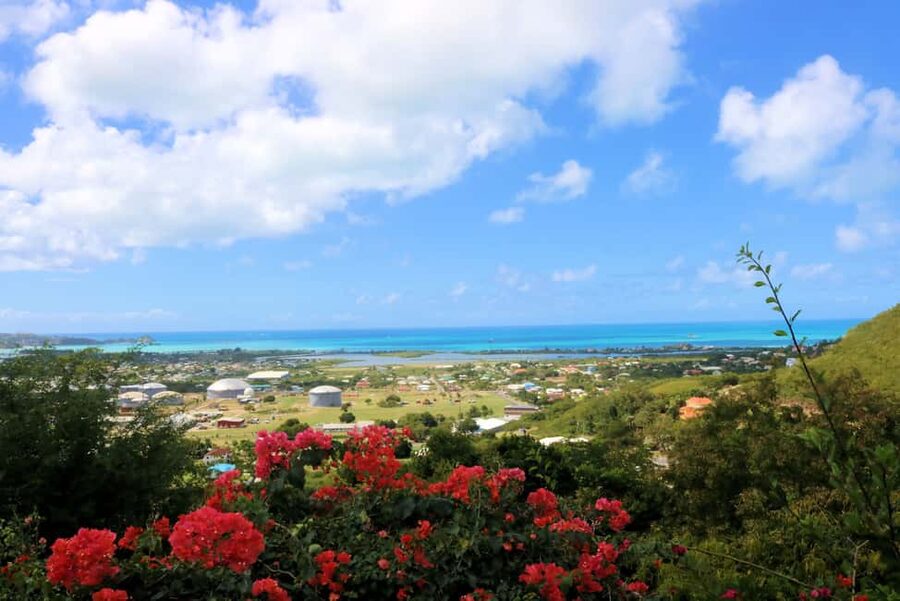
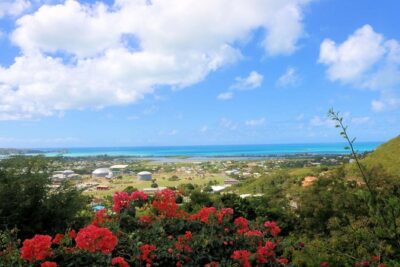
The house sits high on a hill overlooking the Caribbean Sea. That view is not a quick photo stop squeezed between cooking tasks. It becomes part of the meal itself, since lunch is served on a veranda facing the water.
The class is taught in English. Children must be accompanied by an adult, and unaccompanied minors are not allowed. Pets are not permitted, and the experience is not suitable for wheelchair users, so check those points before paying.
More cooking sessions with local hosts:
- All About Jerk Cooking Class
★ 4.7 · 19 reviews - St. John’s: Rum Cooking Class with 6 Rum Tastings
★ 5.0 · 6 reviews - Coordinating Curry Cooking Class
★ 5.0 · 4 reviews
The morning question: what fish came in?
The most appealing part of this class is also the reason the menu is not fixed. The morning question is what is available that day. Season, sea conditions, and the recent catch guide the meal.
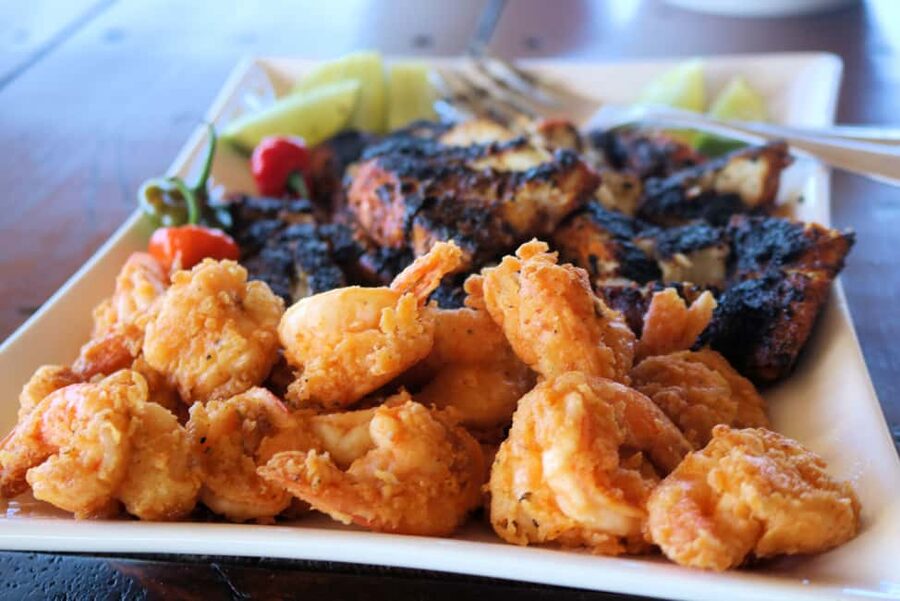
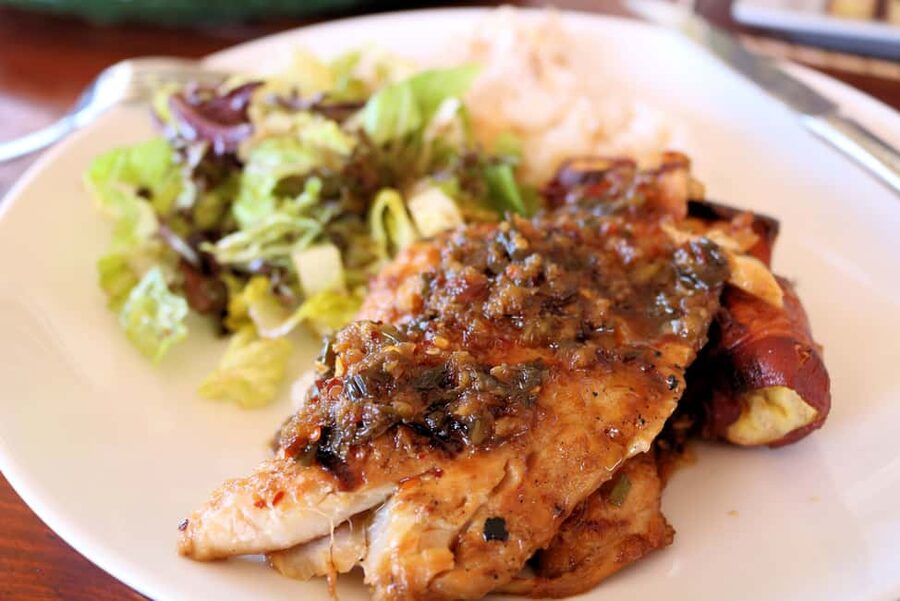
You might work with mahi-mahi, snapper, tuna, or grouper. The listed examples include grilled ginger lime mahi-mahi with pineapple salsa, blackened fish tacos with spicy slaw, or a baked stuffed whole snapper.
This is a useful lesson in how Caribbean cooking works. Instead of treating a printed menu as unchangeable, the class adjusts to the fish at hand. You learn a method that can travel home with you: use the freshest suitable fish, then adapt the seasoning and cooking style.
The changing menu could disappoint you if you have your heart set on one particular dish. If you want to make mahi-mahi tacos, for example, there is no promise that mahi-mahi or tacos will be served on your date. I see that uncertainty as part of the experience, but you should accept it before booking.
Starting with rum punch and garlic shrimp
The class typically begins with drinks. You may receive a local juice, water from the property’s cisterns, and Nicole’s Old Fashioned Rum Punch. The rum punch gives the experience a distinctly Caribbean start, while the juice and water provide nonalcoholic choices.
The minimum drinking age is 18. If you do not drink alcohol, you can still take part, but you should advise the host of any needs when booking.
The starter in a typical menu is garlic shrimp in a crisp wonton cup with avocado. This gives you several useful techniques in one small dish: handling seafood, building flavor with garlic, preparing a crunchy shell, and balancing creamy avocado against the shrimp.
The point is not to produce a complicated restaurant plate. The goal is to make the dish manageable when you return home. You receive the recipes, and the class is designed so the steps can be repeated in your own kitchen.
If you have a shellfish allergy or another dietary concern, give that information at the time of booking. Seafood is central to this class, so do not wait until you arrive to raise an allergy issue.
Preparing the main fish and Caribbean sides
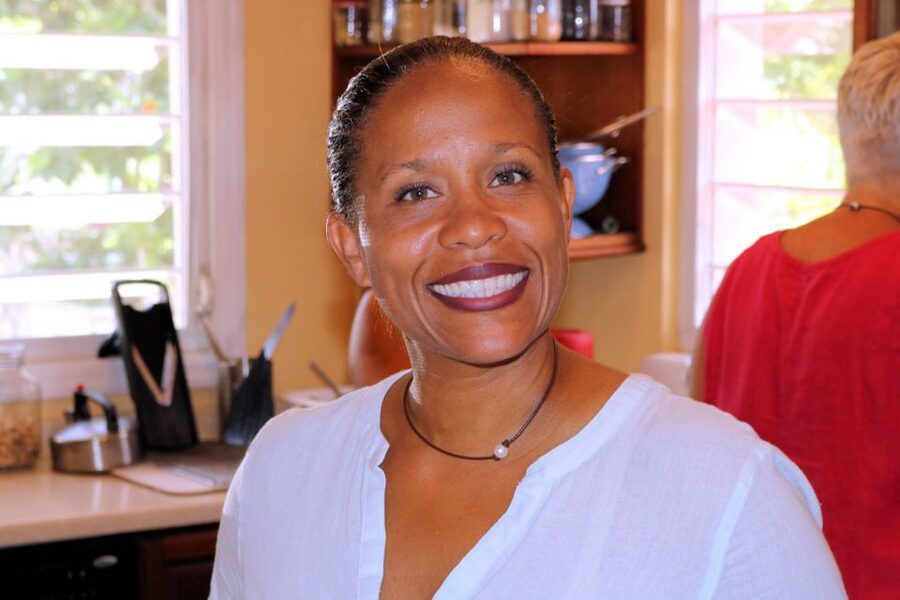
After the starter, you help prepare the main fish dish and its sides. Depending on the catch and the day’s plan, that may mean grilling, blackening, or baking the fish.
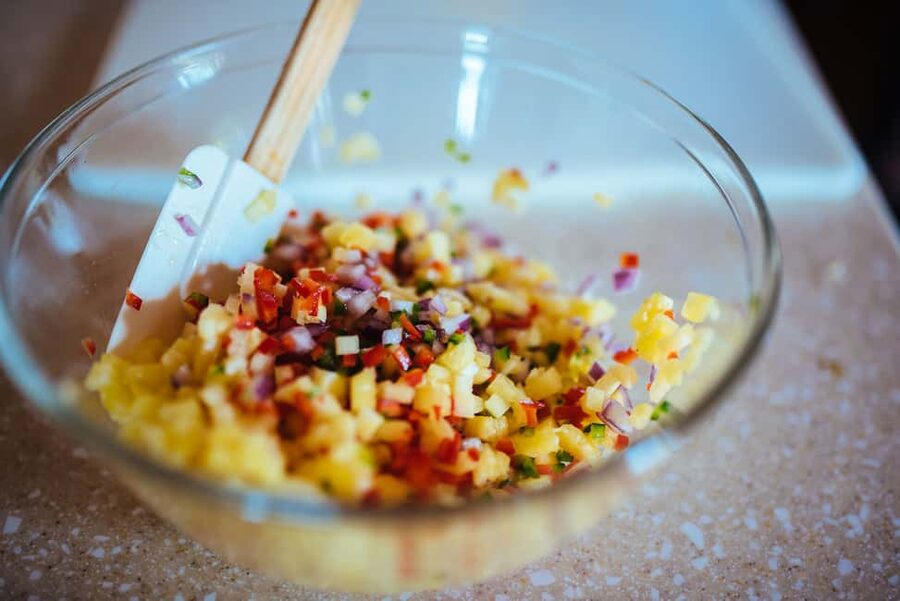
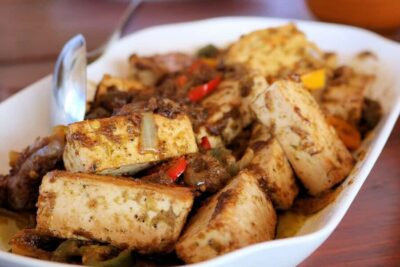
Grilled ginger lime mahi-mahi with pineapple salsa shows how fresh fish can carry bright, simple flavors. The ginger and lime add sharpness, while pineapple brings sweetness. Blackened fish tacos take the meal in a more casual direction, with spicy slaw adding crunch and heat. A baked stuffed whole snapper offers a different lesson in presenting and cooking a complete fish.
You are not only learning how to season the protein. The sides include basmati rice and a rainbow salad, giving the meal a useful balance of starch, vegetables, color, and texture.
That makes the class practical for home cooks. A fish recipe without side dishes is only part of lunch. Here, you work through the meal as a whole, which gives you a better sense of timing and serving.
The hands-on format can be as active or laid-back as you prefer. You can take part closely or enjoy a slower pace while listening and helping where you wish. That flexibility is helpful for couples or small groups with different ideas about how much cooking they want to do.
More St John S trips people book on the same visit
- Antigua: Stingray City Experience with Round-Trip Transfer
★ 4.7 · 58 reviews - St. Johns: Horseback Riding Bareback Swim, &Fort James Beach
★ 4.7 · 41 reviews - St. John’s: Discover The Real Antigua Island Tour Experience
★ 4.6 · 29 reviews - Antiguan experience home tour with local guide with lunch
★ 4.2 · 26 reviews
Finishing with passion fruit cheesecake
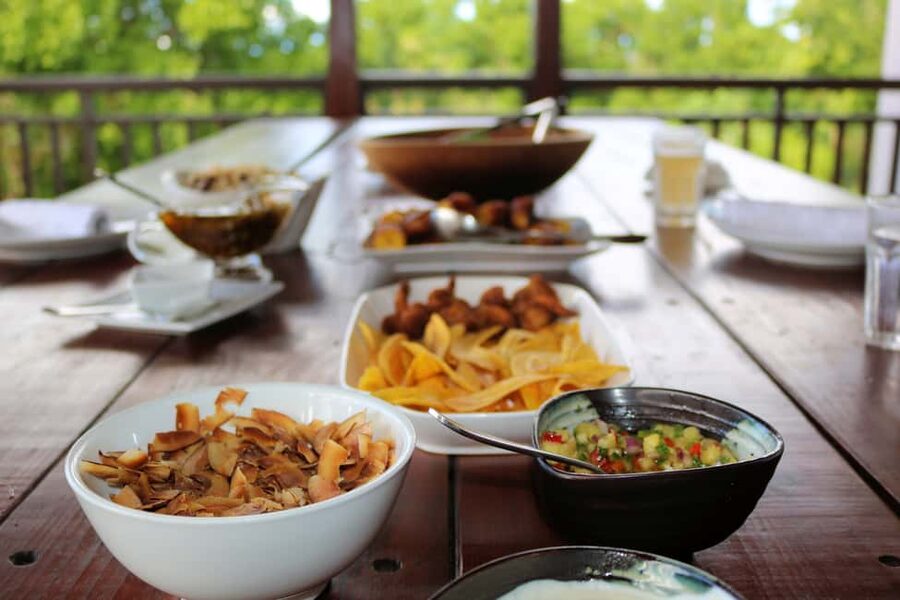
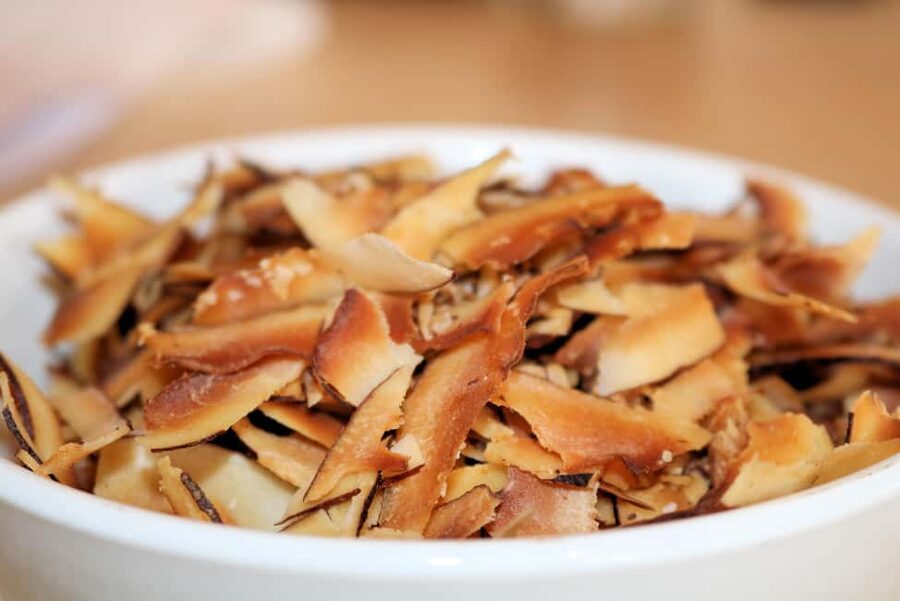
Dessert completes the three-course lunch. A typical ending is mini cheesecakes with passion fruit.
The small portions make sense after a seafood meal with rice and salad. Passion fruit adds a bright Caribbean note to a familiar cheesecake base, and the recipe gives you another item to recreate at home.
Dessert is also part of the hands-on promise. You are not simply handed a finished sweet after doing the savory work. The class covers the starter, main dish, sides, and dessert, so you get a full cooking session rather than a single demonstration.
By the time lunch is ready, you have helped create every course. That gives the four-hour schedule a clear shape: arrive, prepare, learn, sit down, and eat what you made.
A cooking lesson shaped by local stories
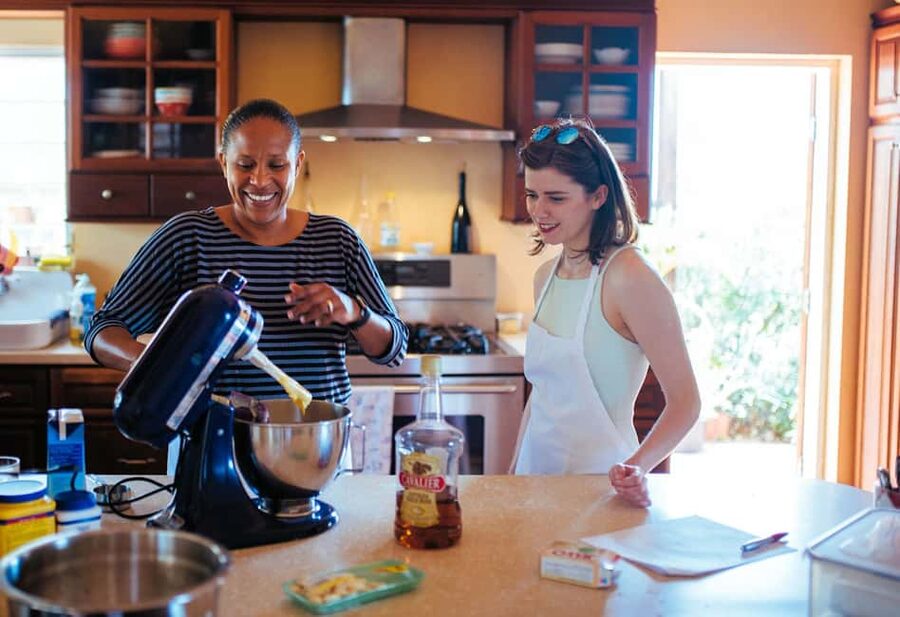
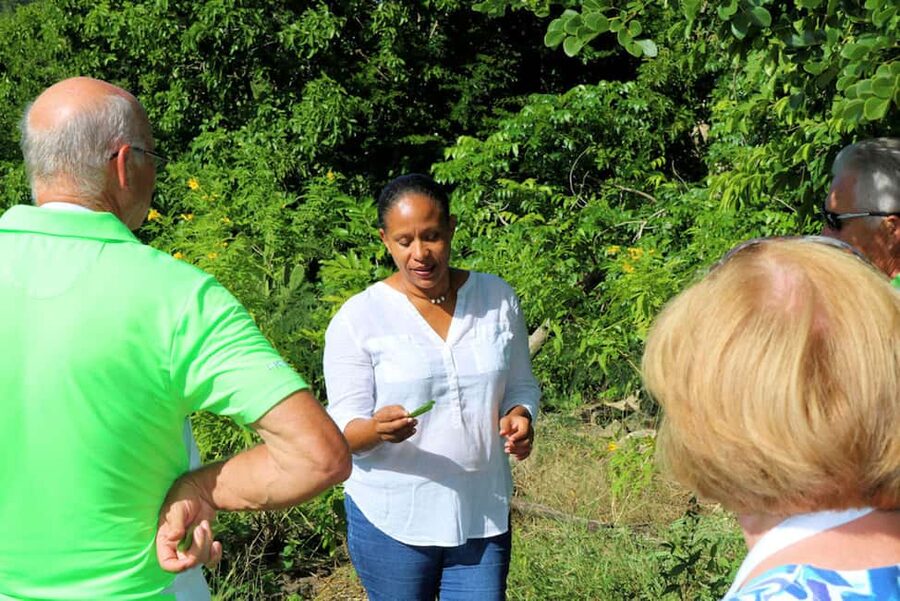
Nicole’s Table adds food history and stories about living in the West Indies to the cooking. The teaching is informal rather than classroom-like. That distinction will matter to you if you prefer conversation and context over strict instruction.
The stories help explain why the menu changes and why local ingredients matter. You are not just following a recipe with fish as an interchangeable ingredient. You are hearing about food in a Caribbean setting, where the catch may guide the meal and the cooking adapts around it.
The atmosphere is one of the strongest reasons to choose this experience. The setting, meal, and conversation work together. The experience has been praised for making people feel like family, and that sense of welcome is central to what you are paying for.
Still, informal teaching is not the same as a formal chef certification course. If you want precise culinary theory, professional knife training, or a tightly timed kitchen workshop, this may feel relaxed. If you want to cook, talk, eat, and understand a little more about local life, the format should suit you well.
Lunch on the veranda with the Caribbean below
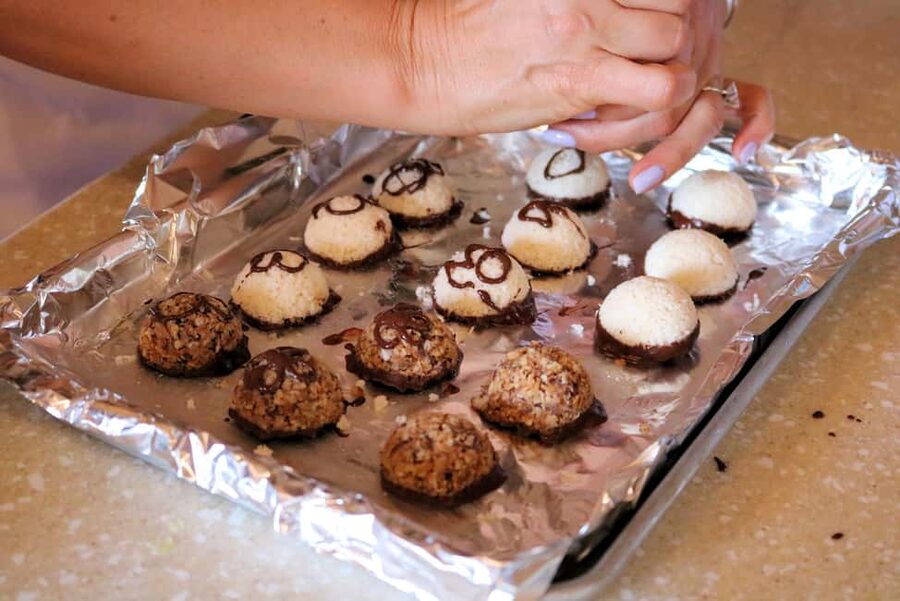
Once the food is ready, you sit down to eat on the veranda. This is the payoff, but it is not separate from the lesson. You taste the dishes you helped prepare while looking out over the Caribbean Sea.
The setting gives the meal a sense of place that a standard restaurant cannot easily provide. You are eating in a local home, above the water, with the day’s catch on the plate. That is why this feels more like a local event than a simple cooking class.
The view also creates a relaxed finish to a fairly full morning. You have spent time preparing several dishes, and the sit-down meal gives you space to enjoy the food instead of rushing off to the next activity.
The food is the star, but the location is a close second. The strongest praise for this experience focuses on the lovely people, beautiful setting, and quality of the meal. You can reasonably expect those three elements to shape the day.
What $164 per person buys you
At $164 per person, this is not a budget lunch. The value depends on how you measure a cooking class.
You are paying for four hours of instruction, a three-course meal, alcoholic and nonalcoholic drinks, the food used in the class, and the recipes. You also receive a home-based setting with a sea view and time spent learning about Caribbean food and daily life.
If you only want to eat seafood, a restaurant meal will likely cost less. If you want to learn how to prepare a complete meal and keep the recipes, the price is easier to justify. You are combining a meal, an activity, and a cultural experience in one booking.
The seasonal fish also gives the price some flexibility in a good way. The menu is built around what is fresh instead of forcing a particular fish into the lesson. You may not get the exact dish you imagined, but you are more likely to work with an ingredient that suits the day.
The value is strongest for people who enjoy cooking and plan to use the recipes later. It is weaker for anyone who dislikes seafood, wants a passive sightseeing activity, or sees lunch as the only goal.
Timing, group size, and practical concerns
Classes start at 11:00 and usually finish around 15:00. That timing works well if you are staying at an Antigua hotel or arriving on a cruise schedule, but you need to allow time to reach Nicole’s Table on your own.
There is no pickup service. You receive directions after booking, so read them carefully and plan your route before the class morning. Do not assume transportation is included simply because the activity is listed as a St. John’s experience.
A minimum of four people is needed for the class to run. If your party has fewer than four, you may need to join an existing class or have the booking moved to another day. Contacting the provider before making firm plans is wise if you are a solo participant, a couple, or a small family group.
The class can be hands-on or more laid-back. That makes it suitable for people with different cooking interests, but you should still expect to participate in the meal. Hand washing is required, and anyone with flu-like symptoms must wear a mask.
The experience is offered in English. Specific dietary requirements, especially food allergies, should be provided when you book. The menu depends on season and availability, so dietary planning may require a direct conversation with Nicole’s Table.
Who will enjoy this Antigua cooking class?
I would recommend this class most strongly to you if you:
- Enjoy seafood and want to learn several ways to prepare it.
- Like meeting local people in a home setting.
- Prefer a relaxed lesson to a formal chef-led workshop.
- Want recipes you can use after your holiday.
- Have about four hours free around midday.
- Appreciate a good view as part of the meal.
- Are comfortable with a menu that changes.
Couples and small groups should pay close attention to the four-person minimum. Families can join, but children need adult supervision, and the drinking age is 18.
You may want to skip it if you need wheelchair access, dislike seafood, have a strict food plan that cannot adapt to seasonal ingredients, or want transportation included. You should also think twice if you are booking a cruise day with a very narrow return window, since the activity lasts until about 15:00 and you must arrange your own route.
Should you book Nicole’s Table?
Book this experience if you want a meal you helped create, a Caribbean home setting, and a relaxed connection to Antiguan food. The best parts are the fresh fish, the full three-course format, the recipes, and the veranda lunch above the sea.
Do not book it for a guaranteed menu or a formal culinary qualification. The fish may change, the class needs four participants, and transport is your responsibility.
For the right person, $164 buys more than lunch. It buys a useful cooking lesson, local stories, a memorable setting, and recipes that can bring a little Antigua back to your kitchen.
FAQ
Where does the cooking class take place?
The class takes place at Nicole’s Table in Antigua, Antigua and Barbuda, in a home overlooking the Caribbean Sea.
How long does the experience last?
The class lasts four hours. Classes begin at 11:00 and usually finish around 15:00.
Is transportation included?
No. There is no pickup service, and you must make your own way to Nicole’s Table. Directions are emailed after booking.
What fish might be used in the class?
The fish depends on what is fresh and available that day. Possible options include mahi-mahi, snapper, tuna, and grouper.
What food and drinks are included?
The experience includes a three-course lunch, hands-on training, recipes, Old Fashioned Rum Punch, a local juice, and water from the cisterns.
Can dietary requirements or allergies be accommodated?
You must advise Nicole’s Table of any specific dietary requirements, especially food allergies, at the time of booking. The menu depends on the season and available ingredients.
Is the class suitable for children or wheelchair users?
Children must be accompanied by an adult, and unaccompanied minors are not allowed. The experience is not suitable for wheelchair users.
Recently reviewed around St John S
- St. John’s: Rum Cooking Class with 6 Rum Tastings★ 5.0 · 6 reviews
- Sip & Paint with lunch on exciting Ffryes Tiki beach Bar★ 4.4 · 6 reviews
- Hiking Combo Tours★ 5.0 · 4 reviews
- Coordinating Curry Cooking Class★ 5.0 · 4 reviews
- Antigua – Discover and Relax on 2 beaches★ 4.6 · 5 reviews
- Famous Island Tour★ 4.2 · 2 reviews
- Antigua: Shirley Heights Sunset Party Transfer★ 4.8 · 10 reviews
- From St John’s: Half Moon Bay Beach Half-Day Trip by Van★ 4.7 · 9 reviews
Cooking Classes, compared.
Browse the lists this tour appears in